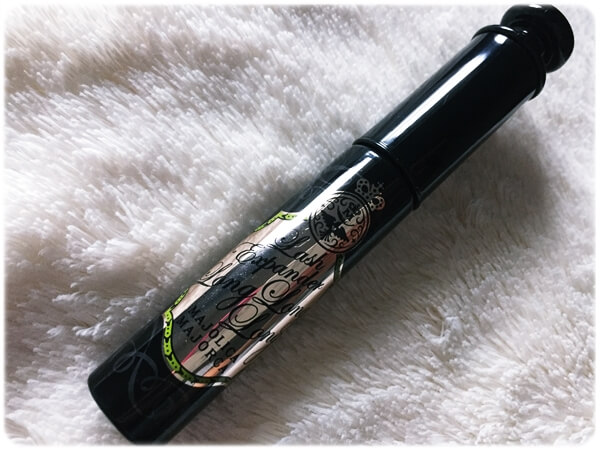
マジョマジョのラッシュエキスパンダー ロングロングロングは、その名の通り短いまつ毛も思い通りの長いまつ毛にしてくれるマスカラです。
汗や涙や皮脂に強いウォータープルーフなので、パンダ目ともさよならできますよ!
マジョマジョのラッシュエキスパンダー ロングロングロングを、実際に愛用中の二人が写真付きでレビューと口コミをご紹介しています!
ラッシュエキスパンダーロングロングロングはロングまつ毛で目力キープ!
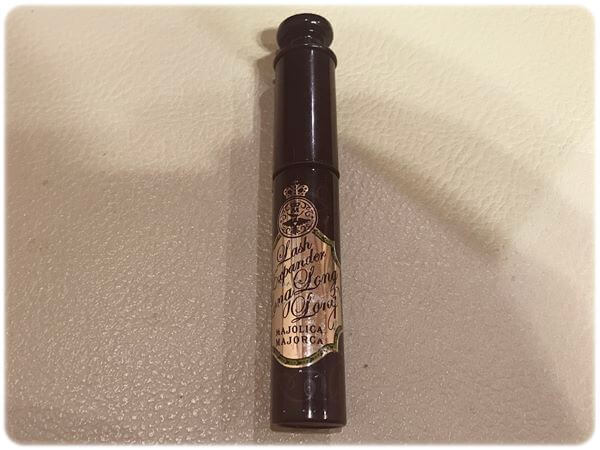
21歳の大学生です。肌質は混合肌です。
ボリュームより長さが欲しいと思い探していたところ、アットコスメのランキングや雑誌のランキングなどの口コミが上位にあったため、マジョリカマジョルカラッシュエキスパンダーロングロングロングを選びました。
繊維が多く長さが出るということ、にじまないということ、ウォータープルーフであるということ、これらの条件に魅力を感じ購入しました。
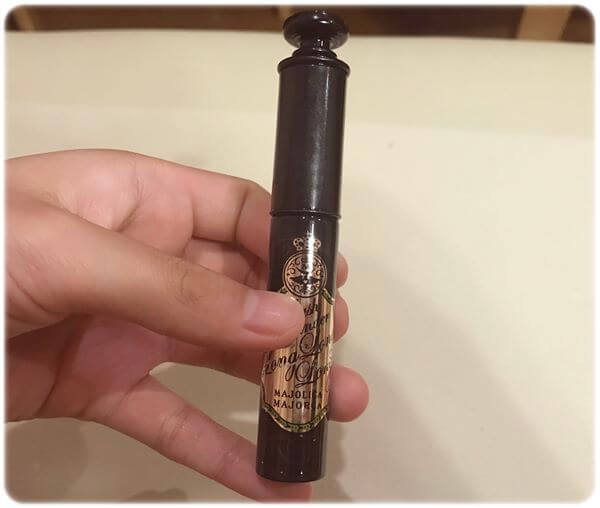
またパッケージもかわいく安っぽくないので、人前で出しても恥ずかしくないです。
そしてドラッグストアで1200円程で購入できたので、1500円以上払うのはちょっと、、、と思っていたわたしにはぴったりでした。
ラッシュエキスパンダー ロングロングロングの特徴
ロングロングロングという名前がついているだけあって、かなり長さが出ます。
もともとのまつげの長さはかなり短いのですが、マスカラをしてます!という感じではなく、ナチュラルに伸びます。まつげ一本一本にちゃんとマスカラ液がついてくれます。
ラッシュエキスパンダー ロングロングロングは黒いパッケージで、汚れていても分かりにくいです。
マスカラのパッケージが白のものも多いですが、その場合黒く液がついたりしているのが目立ちます。ですがこちらは汚れも目立たず可愛いデザインで大変助かります。
マスカラコームの使いやすさは?
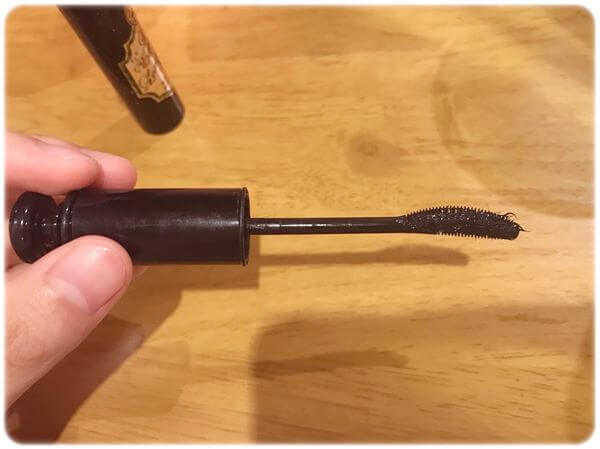
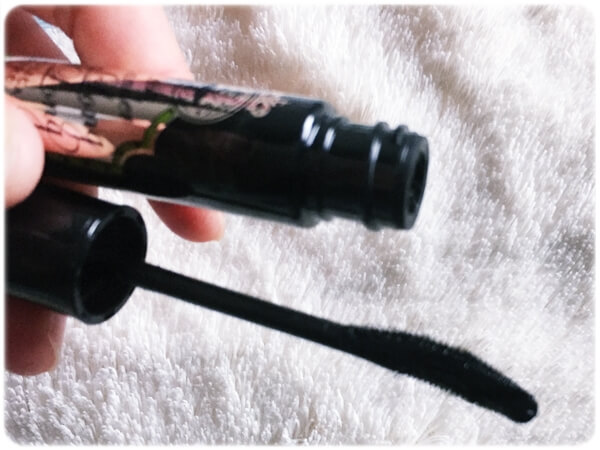
マジョリカマジョルカラッシュエキスパンダーロングロングロングはブラシ型ではなく、コーム型になっているので、まつげに塗ってもダマになりにくいのが特徴です。
また、間違えてまぶたにつくというようなこともなく塗りやすくて、全てのまつげにちゃんとマスカラ液が塗れるのでパッチリ目元になれます。
ラッシュエキスパンダーでどんな目元になれる?
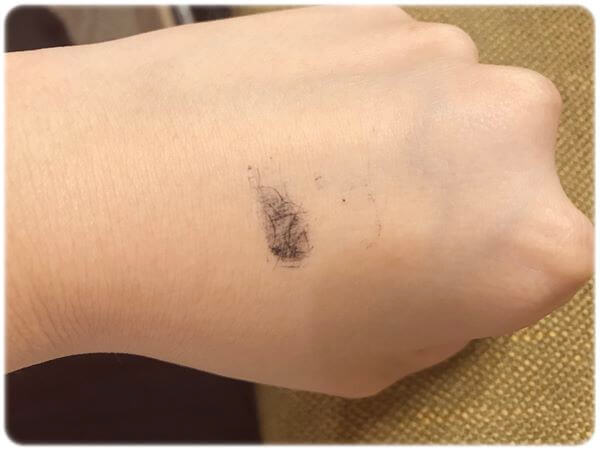
ラッシュエキスパンダー ロングロングロングはしっかりと濃い黒色をしているので、軽く塗るだけで目力が出ます。
また繊維もたっぷりですが、一つ一つが細いので、バサバサに汚くなることがありません。
一本一本を丁寧に伸ばしてくれるイメージで、まつげの量が少ない人にもオススメです。
ラッシュエキスパンダーロングロングロングの落とし方
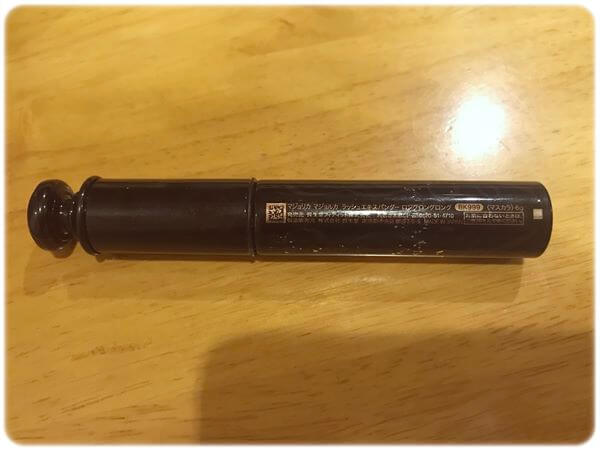
ラッシュエキスパンダーロングロングロングはウォータープルーフで、一日中しっかりロングをキープしてくれるのでメイク落としの際は、マスカラを落とすには専用のアイメイクリムーバーを用意したほうがいいです。
アイメイクリムーバーではすんなりと落ちるので、まつげや目元の皮膚に負担をかけずにマスカラを落とすことができます。
マジョリカマジョルカラッシュエキスパンダーロングロングロングの口コミレビュー
ヒロインメイク ロング&カールマスカラ スーパーWPを以前使っていましたが、こちらはまぶた落ちが激しかったです。
それに比べ、マジョリカマジョルカラッシュエキスパンダーロングロングロングは、ほぼまぶた落ちはないです。
自然に目元を濃く演出してくれるので、アイラインを引く必要もないです。
またラッシュエキスパンダーロングロングロングはにじむこともないので、雨などの天気の悪い日に使用してもなんら問題ありません。
時間のない朝に適当に塗ってもうまくダマにならず塗れるので、もう手放せない化粧品になりました。また入れ物がかわいいのも魅力の一つです。
マジョリカマジョルカの化粧品はパッケージがとてもかわいく、またこのマスカラのパッケージは黒色なので、汚れも目立たず嬉しいです。
これからもマスカラを買う際はマジョリカマジョルカラッシュエキスパンダーロングロングロングを購入するつもりです。
コスパ
にじみにくさ
まつげの伸び
(※あくまで個人の評価です。)
ラッシュエキスパンダーロングロングロングの私が工夫した落とし方!
29歳の専業主婦です。肌質は混合肌です。
ラッシュエキスパンダーロングロングロングは、化粧をはじめた高校の頃から使っています。
何度か他のものに変えたものの、結局これじゃないといけないと思い戻ってきます。
マジョリカマジョルカ ラッシュエキスパンダー ロングロングロングはとにかくめちゃくちゃマツゲが伸びるし、落ちにくい、これをつけてると、マツエク?つけま?と言われるくらい長さを出す事ができます!
ウォータープルーフのマスカラって色々出てますが、マジョリカマジョルカ ラッシュエキスパンダー ロングロングロングはジェルクレンジングで落としにくいので、私の場合はベビーオイルで落としていますが本当に落ちにくいです。
そして、カールキープ力が下地を使わなくてもあり、ビューラーで上げて、これをつければカールが落とすまで損なわれません。
マツエクからつけまつげへ最後はラッシュエキスパンダーロングロングロング!
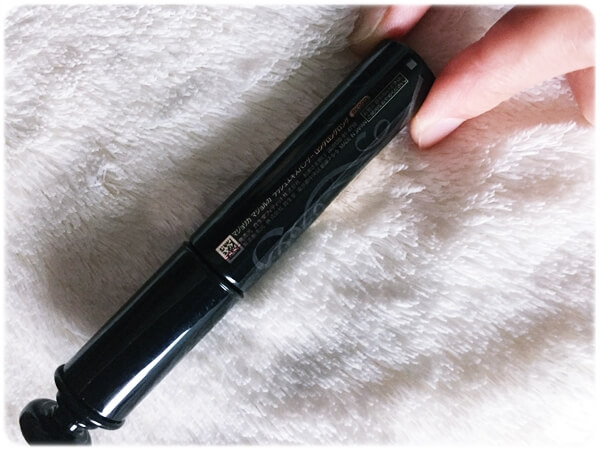
まつげエクステンションが世に出回るようになり、つけまつげやウォータープルーフのマスカラはほとんど使わなくなったという方がいるかと思いますが、私も一時まつげエクステンションをずっとつけていました。
けれども月に一度はメンテナンスをしなければならないし、一度付け直し、リペアをすると1万近くするのが、専業主婦にとって痛い出費で、つけまつげに乗り換えたんです。
けれども取れてないか心配になりますし、化粧ポーチの中でつけまつげ用ののりのキャップがあいていてそれで他のコスメについてしまい、悲惨な事態になってしまったことがあり、これでつけまつげをやめようと決意し、次に最後の手段のラッシュエキスパンダー ロングロングロングを使うことにしました。
ラッシュエキスパンダーロングロングロングはパンダ目にならない!
洗顔料で落ちるコスメやミネラル、オーガニックのファンデーションを使うようになっていたのでお湯で落ちるタイプのマスカラにしたんですが、時間が経つにつれカールがとれてきてしまうんです。
それに触るとポロポロ黒いカスが落ちてきて、合わないと思い、もともと使っていたパンダ目にならないマジョリカマジョルカのマスカラのウォータープルーフのものを購入しました。
それがこのラッシュエキスパンダーロングロングロングなのですが、ちょっとやそっとでは落ちないので次に私の工夫してる落とし方をご紹介します。
ラッシュエキスパンダーロングロングロングの工夫してる落とし方!
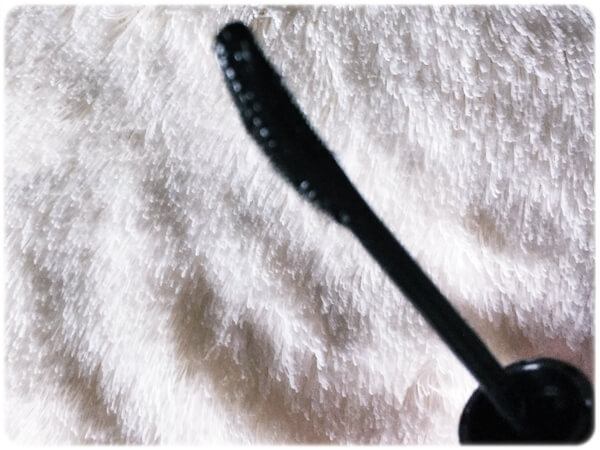
それが正解で、コームタイプのマスカラは自まつ毛になじませやすいし、同時にダマになりにくくセパレートしやすいし、カールキープもできるし、下地がいらないのでさっとアイメイクがきまります。
カールもキープして長さも出るんですが、そこはウォータープルーフで普通にお湯で落ちにくいので、私の工夫している落とし方は。
コットンにたっぷりのベビーオイルを含ませて、目元に置きマスカラにしみわたって浮いてきたらやさしく拭き取ります。
これでアイメイクリムーバーを買わずに、ラッシュエキスパンダーロングロングロングを落とすことができます。
ラッシュエキスパンダーロングロングロングの口コミレビュー
ラッシュエキスパンダーロングロングロングのおすすめポイントはロング効果、カールキープ力、手軽さです。
落としにくいっていうのがメリットでもありデメリットでもあるし、まつげだけ違う形でクレンジングしなきゃいけませんが、それ以外は言うことなしです。
マスカラにデパコスの5000円かけてた時期もありましたが、マジョリカマジョルカ ラッシュエキスパンダー ロングロングロングにしてから他のものが使えなくなりました。
一本買えば3ヶ月はもつのでとてもコスパがいいですよ!
コスパ
ロング力
カール力
(※あくまで個人の評価です。)