ソフティモ ホワイト薬用クレンジングウォッシュは、コレ1本で洗顔とクレンジングが完了するメイク落とし洗顔です。
メイクをしていないときの洗顔料としても使えます、そんなソフティモ ホワイト薬用クレンジングウォッシュの口コミレビューを紹介します。
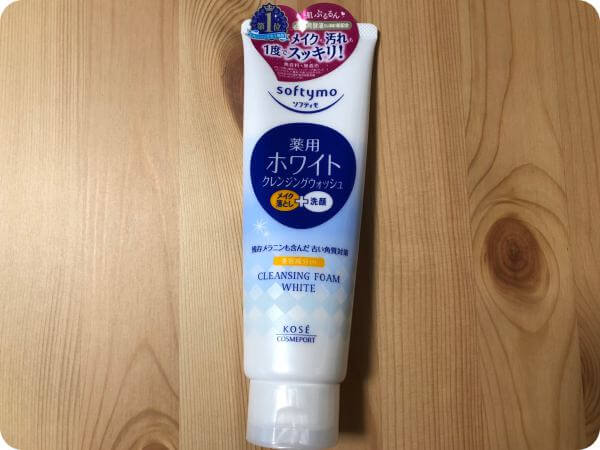
24歳の主婦です。肌質は混合肌です。
もともとクレンジングはオイルタイプの物を使っていましたが、肌に合わなかった為洗顔と一緒になっているものを探していました。
オイルクレンジングはメイクがよく落ちるんですが、肌が乾燥したりニキビの原因になって肌荒れを起こしたので使うのを中止しました。
口コミを見てもどれを買ったらいいか分からなかったので一番安い物を試そう思いソフティモ薬用ホワイトクレンジングウォッシュを購入しました。
使ってみるとメイクが綺麗に落ちるだけでなく、美白にもなるし、肌のザラつきも無くなり肌がすべすべになったりいろんな効果があってとても良かったです。
ソフティモ ホワイト薬用クレンジングウォッシュは突っ張る感じも全くなく、洗顔するとメイクも落とせるという楽さもあり、薬局で買えて価格も300円程度なので今ではリピートして3本目を使っている途中です。
ソフティモ ホワイト薬用クレンジングウォッシュの美白効果
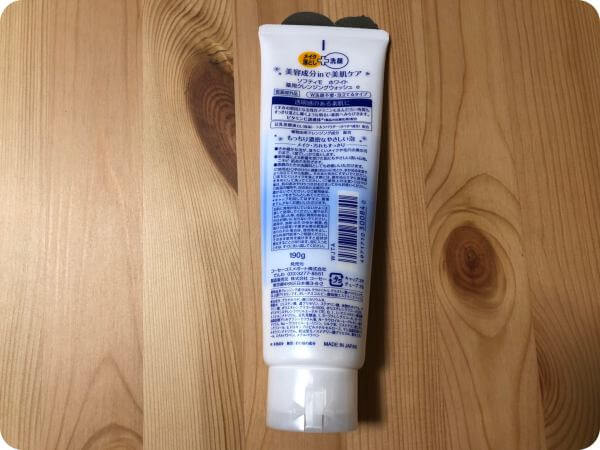
パッケージの裏表記をみると、豆乳発酵液GL(保湿)とシルクパウダー(すべすべ成分)が配合されていてこのおかげですべすべ、もちもち効果があるのだと思います。
それとビタミンC誘導体が合成されているので、お日様に当たりすぎてしまった日の肌ケアや、くすみの原因の残存メラニンを含んだ古い角質も落としてくれるので美白効果にもとてもいいです。
ソフティモ ホワイト薬用クレンジングウォッシュのテクスチャー
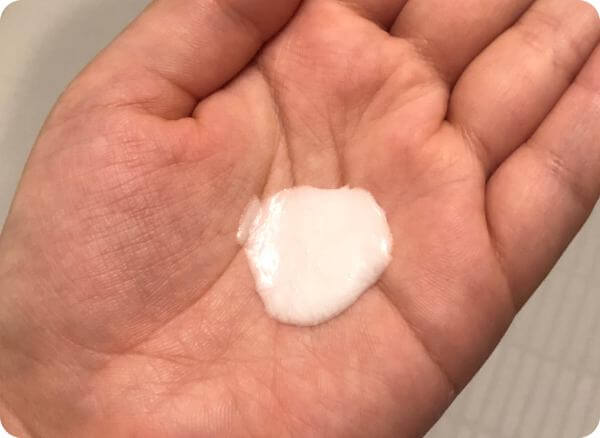
ソフティモ ホワイト薬用クレンジングウォッシュの、中身は柔めなテクスチャーで少しの水でよく泡立ちます。
手に出してあわ立てている時はとろみがあるというか、しっとりした感じです。荒い泡というよりは普通に泡だてているだけで細かい泡ができます。
ある程度泡だてた所でもう一度少し水を足すと、ボリュームのある泡ができます。
ソフティモ ホワイト薬用クレンジングウォッシュのメイク落ちは?
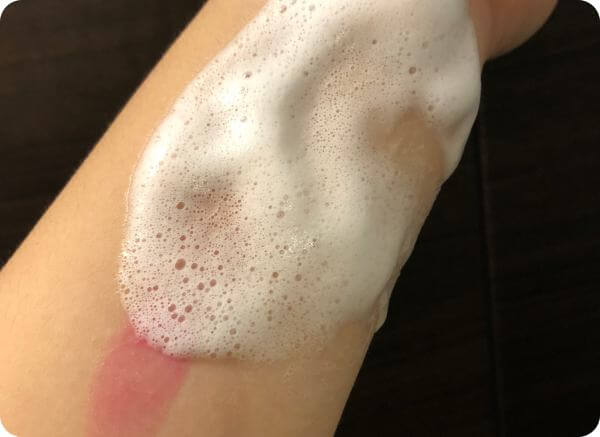
手首に3度塗りした口紅も写真の量の泡で撫でるようにクルクルするだけで、どんどん落ちていきます。
洗顔と一緒になっているクレンジングではメイクは綺麗に落ちないと昔友達に言われた事がありますが、本当優しく洗うだけで綺麗に落ちるんです。
このソフティモ ホワイト薬用クレンジングウォッシュは、w洗顔を必要としないのでメイクを落とした後の洗顔で乾燥することもないので助かります。
ソフティモ ホワイト薬用クレンジングウォッシュの使用感
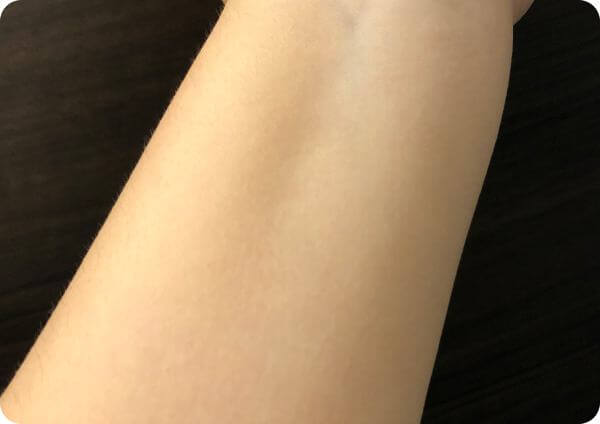
ソフティモ ホワイト薬用クレンジングウォッシュを水で荒い流すと泡と一緒にするする落ちて、こすったりしていないのに綺麗に落ちました。
口紅が塗ってあった部分はさらさらしっとりしていて、写真では分かりずらいかもしれないのですが、白くなっているんです。荒い心地はさっぱりなのに、肌はしっとりで本当いいです。
ソフティモ ホワイト薬用クレンジングウォッシュの口コミレビュー
ソフティモ薬用ホワイトクレンジングウォッシュは、洗顔とクレンジングが一緒になっているからメイクも汚れも一度で落とせるところが時短になってとてもいいです。
オイルタイプのクレンジングを使っていると、洗顔もクレンジングも買わなきゃいけなくて出費がかさむけれど、このクレンジングウォッシュなら1本190gも入っていて泡立ちもいいので本当にコスパがいいです。
オイルクレンジングでニキビができたり肌荒れする人にオススメです。
最近では潤い成分の入っているクレンジングオイルもありますが、この商品は薬用の成分も入っていて肌荒れにもよく、ビタミンC誘導体が肌を整えて、透明感を与えてくれる、保湿までできるのでオールインワンで使えるとてもいいクレンジングウォッシュです。
コスパ
泡立ち
洗い心地
(※あくまで個人の評価です。)