ビオレメイクも落とせる洗顔料 うるうる密着泡は、オイルフリー処方でマツエク愛用者でも使えるメイクも落とせる泡の洗顔フォームです。
口コミレビューを写真付きで紹介しています。
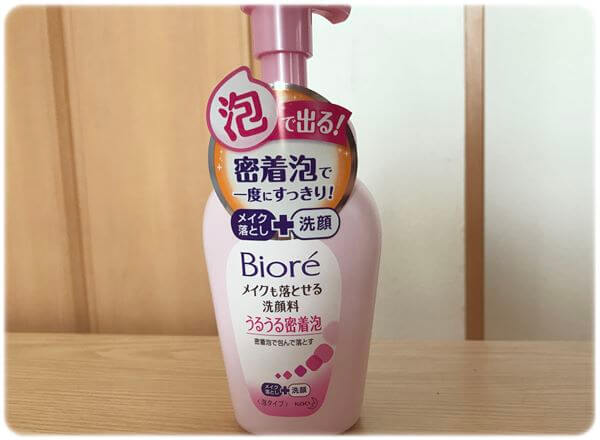
27歳の事務員です。肌質は混合肌です。
以前はオイルタイプのクレンジングと洗顔とを使っていたのですが、育児中のため朝のメイク時間短縮のためにマツエクをつけ始めたので、オイルクレンジングが使えなくなりました。
その時に「どうせなら洗顔も一緒にできるタイプで、マツエクOKのクレンジングに変えたいな」と思い、探してみたのです。
ちょうどドラッグストアで、安売りしていたのがこのビオレメイクも落とせる洗顔料 うるうる密着泡です。最初は「この安さで本当にメイクが落ちるのかな」と思い少し不安でした。
ビオレメイクも落とせる洗顔料 うるうる密着泡は、オイルフリーの成分なのでマツエクしててもメイクを落とせる洗顔料みたいです。
ですが、口コミサイトでも評価は高かったので安くて良いのであれば問題ないと思い、1度試してみることにしたのです。それからは使い続けています。
ビオレメイクも落とせる洗顔料 うるうる密着泡はオイルフリーです
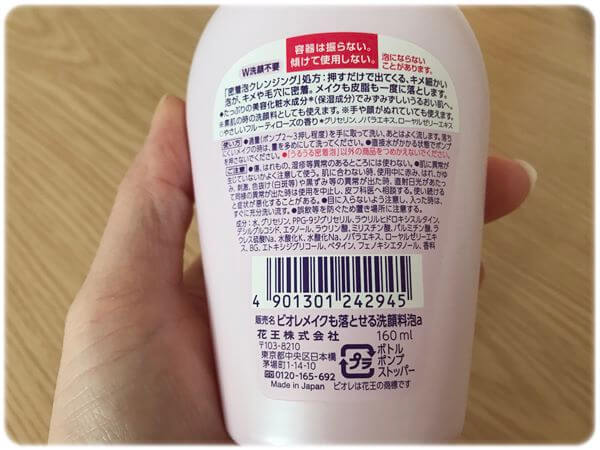
ビオレメイクも落とせる洗顔料 うるうる密着泡はオイルフリーだからマツエク愛用者でも使えます!
お値段はかなりお手頃でしたが、内容量はとても多いです。また、泡タイプなので少量の液で泡ができるため長く使うことができます。
洗顔料として朝と夜2回使っていますが、1ヶ月くらいもってくれることもあります。泡も出しやすいですね。
【成分】
水、グリセリン、PPG-9ジグリセリル、ラウリルヒドロキシスルタイン、デシルグルコシド、エタノール、ラウリン酸、ミリスチン酸、パルミチン酸、ラウレス硫酸Na、水酸化K、水酸化Na、ノバラエキス、ローヤルゼリーエキス、BG、エトキシジグリコール、ベタイン、フェノキシエタノール、香料
ビオレメイクも落とせる洗顔料 うるうる密着泡の使用量は?
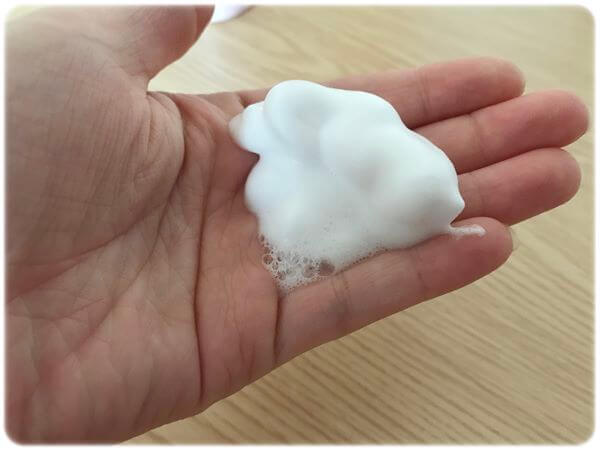
ビオレメイクも落とせる洗顔料の泡はすぐ水っぽくなってしまうような泡ではなく、ふわふわで肌につけると気持ち良いくらいの泡です。
1プッシュで写真の量くらい出てくるので、1回の洗顔は1プッシュか、メイクが濃い日などに多くて2プッシュすれば十分ですね。
落ちにくいくらいの濃いメイクの場合は、プッシュを増やして多めの泡で洗うと綺麗に落ちます。
ビオレメイクも落とせる洗顔料 うるうる密着泡のメイク落ち
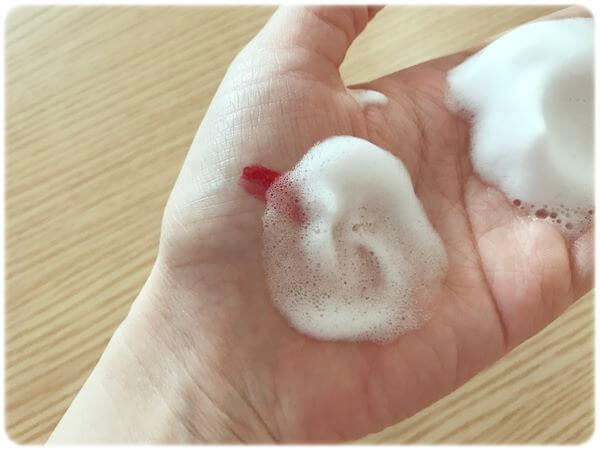
実際に、私が濃いメイクをする時に使う口紅をつけてみましたが、2.3回指で優しくマッサージするだけで少し取れているのが分かります。
クレンジングに特化したオイルタイプのものでも落とすのが難しかった口紅なので、簡単に落ちてくれるのには驚かされました。
ビオレメイクも落とせる洗顔料 うるうる密着泡の使用感
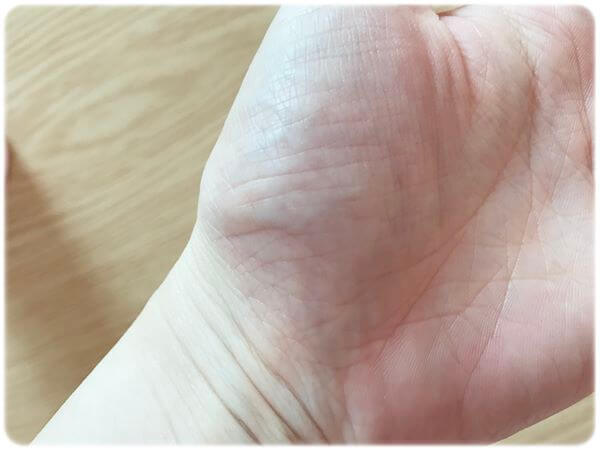
その後、追加で2、3回マッサージしてみてぬるま湯で流してみると写真のように綺麗に落ちていました。
濃い口紅って全体のメイクを落とした後でもそこだけ残ってしまうこともありますが、そんなこともなくスルッと落ちてくれます。
簡単に落ちるのでマツエクしていても、マツエクにも優しくて使い心地はいい感じです。
ビオレメイクも落とせる洗顔料 うるうる密着泡の口コミレビュー
最初は本当に綺麗に落ちるのか少し不安だったのですが、使い出してみるとスルッと落ちてくれるので驚きました。
また、イベントなどで濃いメイクをした時にも簡単に落ちてくれるので、ゴシゴシ落とそうとして肌が荒れたりすることもありません。アイライナーも口紅などの落ちにくい化粧品も楽に落ちます。
マツエク愛用者でも使えて、泡で簡単にメイクが落とせて時短にもなるので本当に楽チンにメイクが落とせるようになりました。
ビオレメイクも落とせる洗顔料 うるうる密着泡は、洗顔料とクレンジングを兼ねての商品で、価格帯もお手頃でここまで働きの良い商品があるならもっと前から知りたかったなと思いました。
内容量も多くてなかなか減らないので買いに行く手間も省けますし、泡だから泡立てる必要もなく時間もお金も節約することができて魅力的だと思います。
コスパ
内容量
落ちやすさ
(※あくまで個人の評価です。)

-
-
ソフティモ ホワイト薬用クレンジングウォッシュの口コミレビュー|美白効果もある?!
ソフティモ ホワイト薬用クレンジングウォッシュは、コレ1本で洗顔とクレンジングが完了するメイク落とし洗顔です。 メイクをしていないときの洗顔料としても使えます、そんなソフティモ ホワイト薬用クレンジン ...
続きを見る