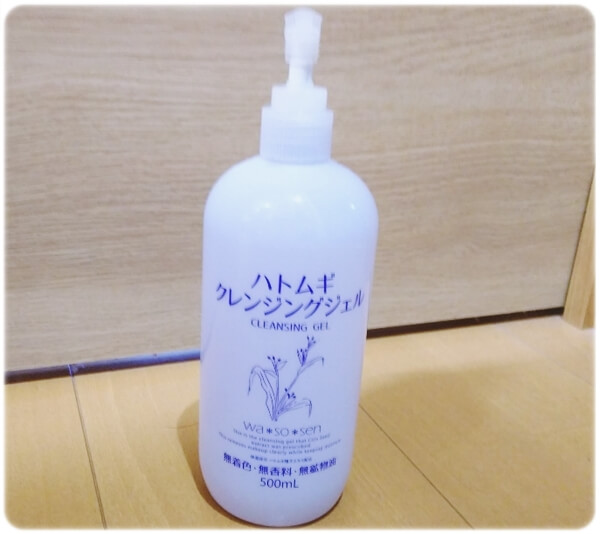
39歳の専業主婦で敏感肌・乾燥肌です。
今まで数多くのクレンジングを使用してきました。
最初は時短のためにクレンジングと洗顔料が一体化したものを、使用していたのですがお肌が荒れてしまい、その後にオイルクレンジングやミルククレンジングなどを、複数使用してきたもののメイクが落ちにくかったり、あるいは乾燥肌がひどくなったりするような状態になって使用を中止することが続きました。
そんな時にインターネットの口コミで、岡インターナショナルのハトムギクレンジングジェルがコスパがいい上に、乾燥肌や敏感肌に向いているということでもしかしたら自分に合うかもしれないと思って使ってみることにしました。
口コミの評判の良さと敏感肌にも使える成分!
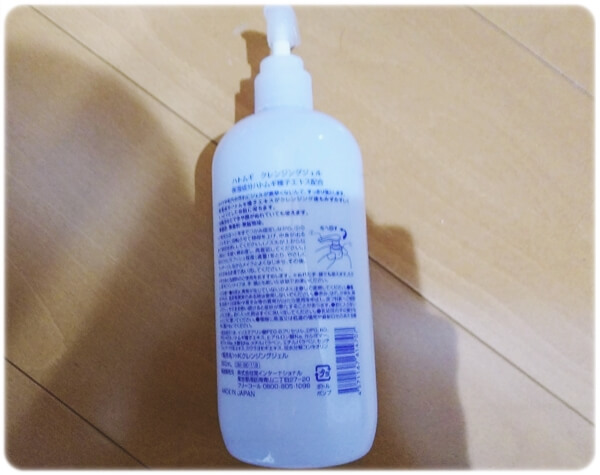
購入した時にはサイズの大きさと値段の安さにびっくりし、逆に品質について心配になってしまいました。
しかしインターネットでの口コミがいい上に、無着色・無香料と敏感肌の私にも使えそうな成分でできていたことを確認したので大丈夫だと思って使用しました。
使い方も簡単ですし(メイクにジェルを馴染ませて洗い流すだけ)、お風呂に入ってるときに濡れていても使えるので楽チンです。
私はメイクを人よりもしっかりやっていないということもあるかもしれませんが、使用後はメイクを落とし切れなかったという感じはなく、以前頻繁にできていた吹き出物もあまりできなくなりました。
濃いアイメイクなどをしている場合は、メイクが落ちにくいということもあるかもしれませんが、大容量なのでケチらずたくさんのジェルで優しく馴染ませると落ちないことはないと思います。
ハトムギクレンジングジェルはオイルフリーでマツエクOK!
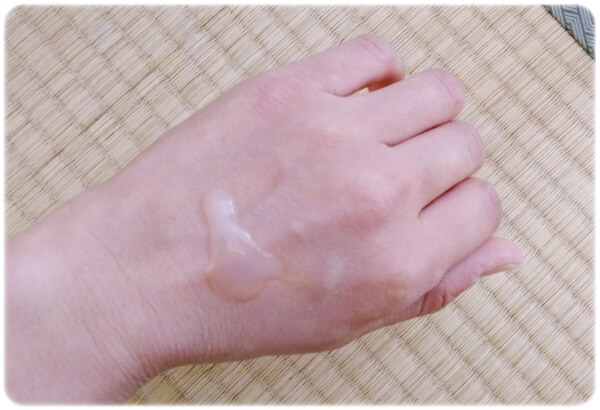
また以前使用してきたクレンジングの中には、乾の燥肌がひどくなってしまって数回で使用を中止したものもありました。
しかしこの岡インターナショナルのハトムギクレンジングジェルは、長期間使用しても乾燥を感じることはないです。
オイルフリークレンジングジェルなので乾燥が気にならないのかもしれません、マツエク愛用者もオイルフリーなので使えるメイク落としです。
ハトムギクレンジングジェルの使い方
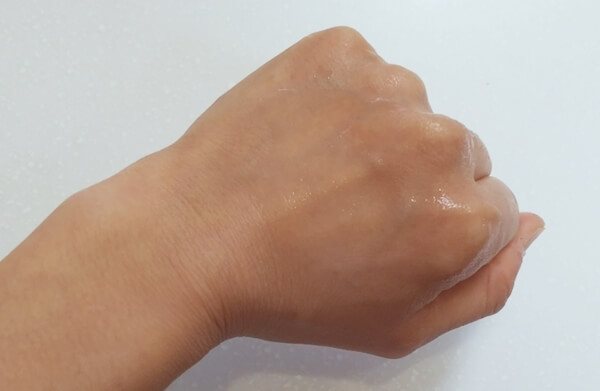
さらに私は今子育て中で自分にかける時間がないことから、入浴前にクレンジングを行うことは難しいものです。
岡インターナショナルのハトムギクレンジングジェルの使用方法は、入浴後濡れた手で使ってもクレンジング効果はしっかりあるということで、多忙な私でも使いやすいと思いました。
ハトムギクレンジングジェルの口コミレビュー
以前はマスカラなどメイクアイテムによってはハトムギクレンジングジェルで落としきれないと思って使用を諦めていたこともあったのですが、今ではメイクが落ちないという心配はほとんどないためにメイクを安心してできるようになりました。
今後も販売されている限りは岡インターナショナルのハトムギクレンジングジェルを使用していきたいと思っています。
使い方もいたってシンプルで濡れた手でもメイク落としができるので時短にもなって忙しいときには助かります。ジェルなのでマッサージもしながらメイク落としができるので、毛穴の汚れなども落としてくれる効果を期待しています!
ハトムギクレンジングジェルは、クレンジングにかかる費用を安くしたい、あるいはいつも多めの量を使ってクレンジングをしたいという人や、敏感肌で自分に合うクレンジングが今まで見つからなかったという人でも問題なく使える可能性が高いので、今新たなクレンジングを探しているという人には一度は使用をおすすめしたいアイテムです。
コスパ
容量
クレンジング力
(※あくまで個人の評価です。)
岡インターナショナル ハトムギクレンジングジェルについて
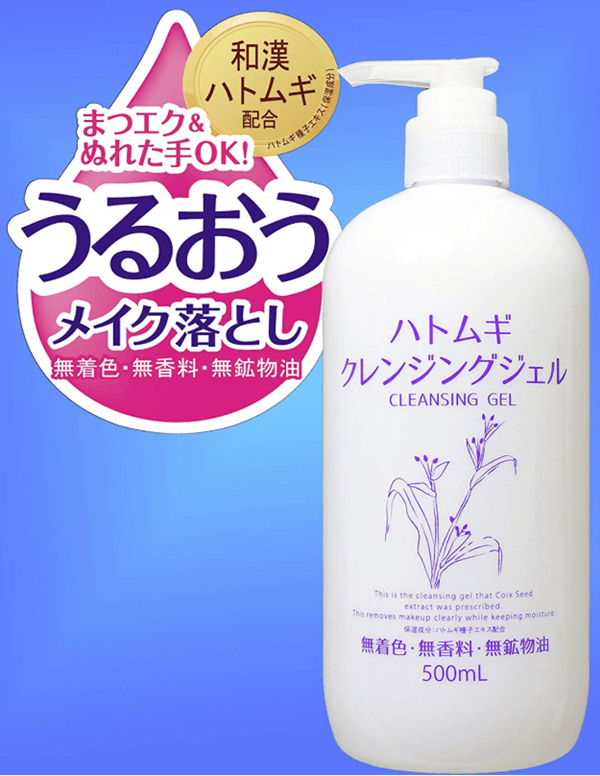
大人気のハトムギコスメのクレンジングジェルは、メイクや毛穴の汚れにジェルが素早くなじんで、すっきりメイク落とします。500mlの大容量お得なサイズでたっぷり使えるクレンジングジェルです。
和漢植物ハトムギに加えて、ヒアルロン酸も配合でうるおいを保ちながら汚れスッキリ!
肌思いの3フリー処方(無着色・無香料・無鉱物油)です。
オイルフリークレンジングだからまつげエクステもOK、乾いた手でも濡れた手でもOK!どんなシーンでも使えます。
- 無着色・無香料・無鉱物油
- 保湿成分ハトムギ種子エキス配合
- 手や顔がぬれていても使える
- 毛穴の汚れもスッキリ
- オイルフリークレンジングだからマツエク(まつ毛エクステンション)にも使える
- ヒアルロン酸配合
- 内容量:500ml
- 発売元:岡インターナショナル